
Understanding the psychology behind gambling behavior What drives the thrill
The Allure of Risk and Uncertainty
The excitement of gambling is often rooted in the allure of risk and uncertainty. People are naturally drawn to situations where outcomes are unpredictable, creating a sense of thrill and anticipation. This psychological phenomenon is known as the “gambling rush,” a heightened state of arousal that occurs when players place their bets. The uncertainty of winning or losing can activate pleasure centers in the brain, releasing dopamine and fostering a sense of euphoria. This biological response is a significant driver behind many individuals’ desire to engage in gambling activities. You can find more about this experience at https://zircon33-australia.com/, which offers a wide variety of games.
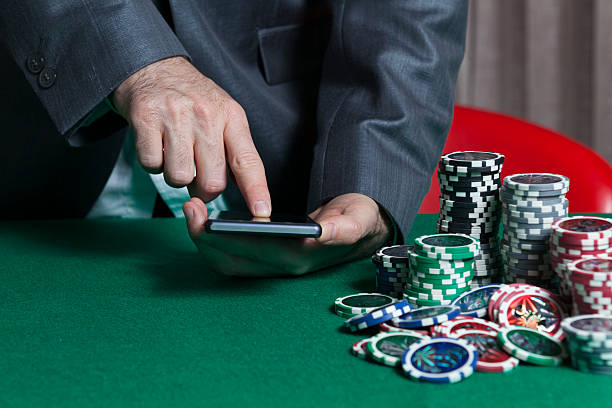
Additionally, the excitement associated with high-stakes gambling can further intensify the experience. Players may find themselves in a psychological state where the potential for a large payout overshadows the risks involved. This phenomenon is particularly evident in games with large jackpots, where the idea of instant wealth becomes a powerful motivator. The unpredictable nature of gambling can, therefore, serve as an escape from everyday life, allowing individuals to momentarily lose themselves in the possibilities.
Moreover, the thrill of gambling is not solely about winning; it is also about the experience itself. Many players enjoy the ambiance of casinos, the camaraderie with other gamblers, and the social interaction that occurs in these environments. This social aspect can create a communal sense of anticipation, further fueling the psychological attraction of gambling. It transforms a solitary activity into a shared experience, heightening the emotional stakes and making the gamble more exhilarating.
The Role of Cognitive Biases
Cognitive biases play a crucial role in shaping gambling behavior. One common bias is the “illusion of control,” where players believe they can influence the outcome of a game through skill or strategy, even in games of chance. This belief can lead to risky betting behavior, as individuals may underestimate the inherent randomness of gambling outcomes. For instance, a poker player might feel overconfident in their abilities, leading them to bet more aggressively than they should.
Another cognitive bias prevalent among gamblers is the “gambler’s fallacy.” This occurs when individuals believe that past events influence future outcomes, such as thinking that a losing streak must eventually be followed by a win. This fallacy can perpetuate the cycle of gambling as players chase their losses, convinced that their luck is about to change. Understanding these biases can provide insight into why people continue to gamble even when it is not in their best interest.
Moreover, confirmation bias also plays a significant role in gambling behavior. Gamblers often remember their wins while downplaying or forgetting their losses, reinforcing their desire to continue playing. This selective memory can create a distorted view of their overall gambling experience, leading them to believe they are more successful than they actually are. Recognizing these cognitive traps is essential for developing responsible gambling habits and understanding the psychological mechanisms at play.
The Impact of Emotional States
Emotions significantly influence gambling behavior, often driving individuals to gamble in an attempt to escape negative feelings or enhance positive ones. Many gamblers use gambling as a coping mechanism during stressful times, seeking solace in the excitement of games. This emotional reliance can create a cyclical pattern where individuals gamble to feel better, only to experience guilt or anxiety afterward, prompting them to gamble again as a form of escape.
The thrill associated with gambling can also enhance feelings of happiness and excitement, especially when players win. This positive reinforcement can lead to a reinforcement loop, where the desire to experience those feelings again motivates continued gambling. Additionally, the fleeting nature of wins can make the emotional highs even more intoxicating, leading individuals to chase those highs at the expense of sound judgment.
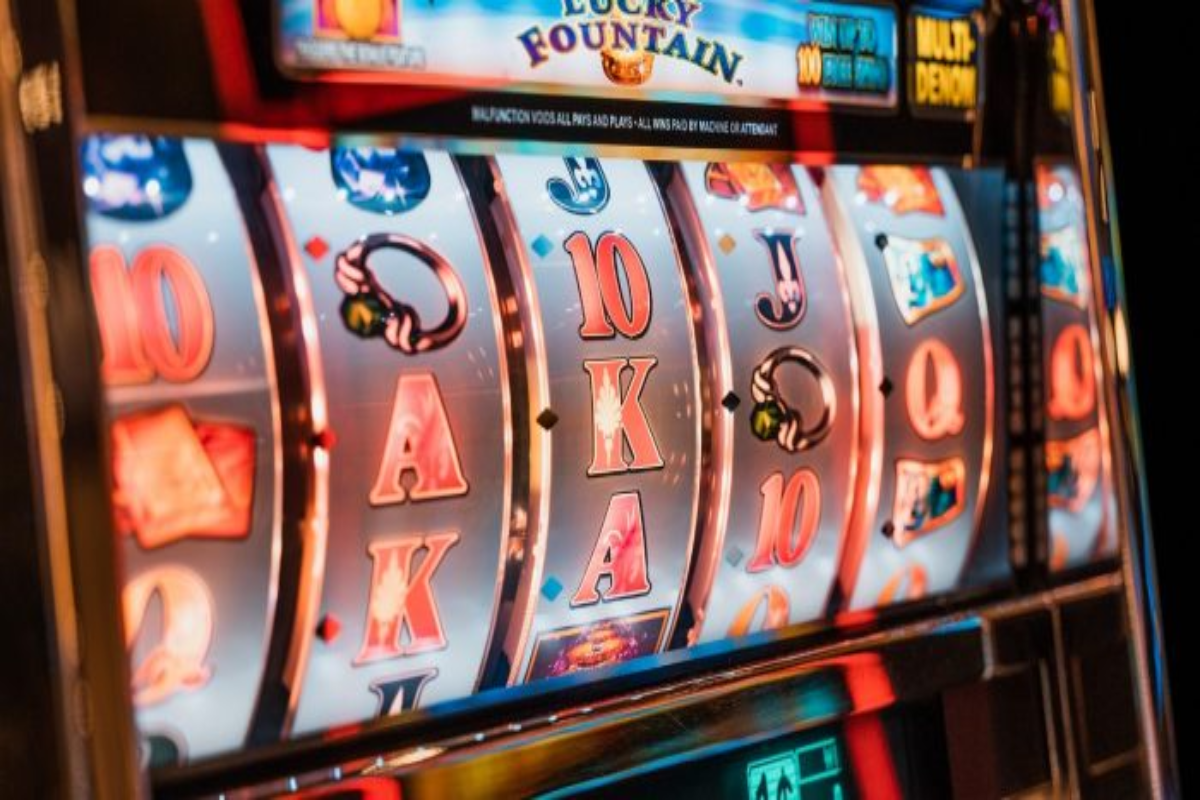
Furthermore, the emotional environment of casinos, filled with vibrant lights, sounds, and social interactions, can amplify the psychological effects of gambling. The sensory overload can trigger heightened emotions, making the act of gambling more stimulating. Players may find it challenging to detach from this environment, leading to prolonged gambling sessions that can have significant financial and emotional consequences. Understanding the emotional drivers behind gambling is crucial for fostering healthier habits.
The Social and Cultural Influences
The social and cultural contexts surrounding gambling significantly impact individual behavior. In cultures where gambling is normalized or even celebrated, individuals may be more likely to engage in gambling activities. Social acceptance can create an environment where gambling is viewed as an exciting pastime rather than a risky behavior. This cultural lens can shape perceptions of gambling and influence how people justify their actions.
Moreover, peer influence can play a critical role in gambling behavior. Individuals may feel compelled to gamble to fit in with friends or social circles that engage in these activities. The social aspect of gambling can create a sense of belonging, making it difficult for individuals to resist participating even when they recognize the risks involved. This social pressure can exacerbate harmful gambling habits and hinder responsible gambling practices.
Additionally, advertising and marketing strategies employed by gambling establishments can further shape perceptions and behaviors. Promotions, bonuses, and advertising campaigns often emphasize the excitement and rewards associated with gambling, creating an alluring image that can be hard to resist. By understanding these cultural and social influences, individuals can develop a more critical awareness of their gambling behaviors and make informed choices.
Exploring Responsible Gambling at Zircon33 Casino
At Zircon33 Casino, the focus is on providing a thrilling gaming experience while promoting responsible gambling practices. The platform offers a diverse range of games, catering to various preferences while emphasizing player well-being. By encouraging users to set limits on their gaming sessions and providing tools to manage their betting behavior, Zircon33 Casino aims to create a safe and enjoyable environment for players.
New users are welcomed with generous bonuses, including a 100% match on their first deposit and free spins on popular slots. However, the platform also prioritizes education on responsible gambling, providing resources and tips to help players recognize when to take a break. With features that promote transparency and control, Zircon33 Casino is committed to fostering a culture of mindful gaming.
By understanding the psychological factors that drive gambling behavior, players can approach their gaming experience more thoughtfully. With the right tools and knowledge, enjoying the thrill of gambling can go hand in hand with responsible practices, ensuring that the excitement remains a fun and sustainable part of their entertainment choices.